Most tree removals in Matthews do not start with a chainsaw. They start with a walk around the tree, looking at the trunk, the crown, the ground at the base, and what stands within falling distance. Dead, leaning, diseased, or simply in the way of a project, each reason is assessed differently, and a good assessment separates a tree that must come out now from one that can be pruned, treated, or watched for years.
The year matters more than most people expect. A tree reads differently in January than in July: bare branches show structure and dead wood clearly, while a full summer crown shows vigor, thinning, and dieback that winter hides. The calendar below follows how the removal decision gets made across the seasons, and when each kind of evidence shows up.
Winter: structure tells the truth
With leaves down, the skeleton of the tree is visible. Crossing branches, weak V-shaped unions with bark pinched between them, old cracks, and dead limbs stand out. This is the season to judge form and structure honestly, and it is also when fungal conks at the base, shelf-like growths on the trunk, are easiest to spot against bare ground. A tree can carry a green crown all summer on a trunk that winter reveals as compromised.
Winter is also when a lean gets measured rather than guessed at. A lean the tree grew into over years, with soil mounded on the opposite side, is different from a fresh lean after a storm with cracked, lifted soil at the base. The first is a monitoring item. The second is urgent.
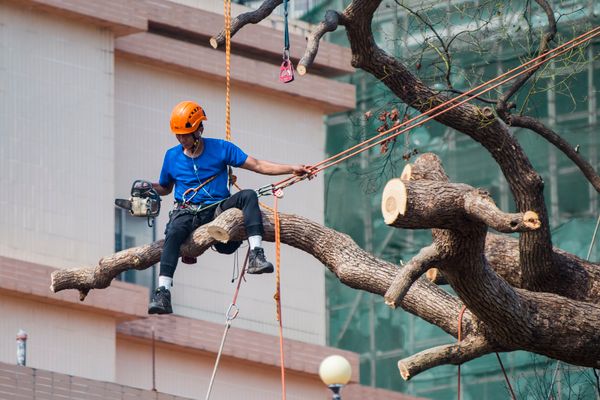
Spring and summer: vigor, or the lack of it
Leaf-out is the tree's report card. A healthy tree leafs out fully and on time with its neighbors. Late leaf-out, undersized leaves, or a crown that thins at the tips while lower branches stay full all point to a root or trunk problem below. Summer adds the pest and disease evidence: oozing patches on bark, sawdust at the base from borers, mushrooms after wet weather, and branches dying one at a time through the season.
| Season | What the assessment reads | Decision it informs |
|---|---|---|
| Winter | Branch structure, weak unions, cracks, conks at the base | Structural removals and hazard pruning |
| Spring | Leaf-out timing, leaf size, fullness of the crown | Vigor: is decline starting or was last year a blip? |
| Summer | Dieback pattern, borers, oozing bark, mushrooms after rain | Disease and pest cases; storm-season risk |
| Fall | How the season ended: early color, early leaf drop, dead tips | Planning winter work before the next storm season |
| After any storm | Fresh lean, lifted soil, split unions, hanging limbs | Immediate safety, ahead of every other question |
The four reasons, weighed differently
A dead tree is the clearest case. Dead wood dries, hardens, and becomes brittle, and a tree left dead through several seasons gets harder and riskier to take apart, so delay changes the job itself. A diseased tree is a judgment call: some infections are cosmetic, others, like decay fungi hollowing the trunk from inside, remove the wood the tree stands on while the crown still looks respectable. Probing the base and reading conks and cracks is how that call gets made.
A leaning tree turns on history. Photograph the lean against a fixed reference, the corner of the house or a fence post, and compare across months. Movement is the signal that matters. A tree in the way, for an addition, a driveway, or a garden that needs sun, is the one case where health is not the question at all; the honest discussion is about size, rigging room, and what the space gains. In every case, proximity drives urgency: the same defect means watch-and-wait over open lawn and act-now over a roof or a child's play area. An in-person walk with R Watkins Tree Service is how targets, lean, and trunk condition get weighed together rather than guessed from the curb.
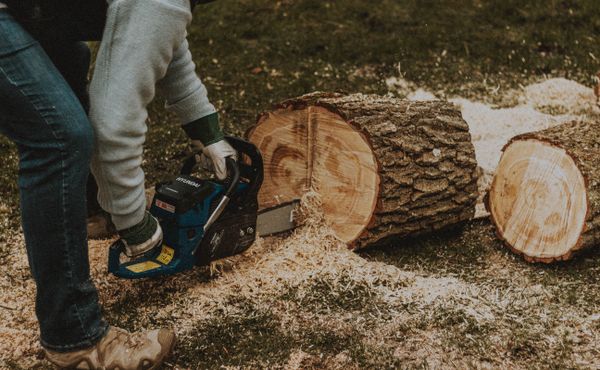
What the assessment produces
A proper assessment ends in one of four answers: remove now, remove later on a planned schedule, prune and monitor with a re-check date, or leave alone entirely. Beware any verdict that skips the walk. The decision is supposed to be boring and evidence-based: trunk, crown, roots, targets, season. Homeowners who keep a few dated photos each year make the next assessment easier, because change over time is the single most useful fact about a tree.
Common questions
Does a hollow tree always need to come out?
No. Many trees live for years with hollow sections because the outer wood carries the load. What matters is how much solid wood remains in the wall of the trunk and what the tree could land on, which an in-person assessment can judge.
Can a diseased tree infect my other trees?
Some diseases and borers do move to stressed neighbors, which is one reason a declining tree is worth assessing rather than ignoring. Prompt removal of a genuinely infectious tree, and keeping healthy trees watered in drought, both reduce the spread risk.
Is winter really a good time to remove a tree?
Yes, often the best. Bare branches show structure, frozen or firm ground handles equipment better than a wet spring yard, and the tree is out before storm season rather than tested by it.
Photos in this guide are representative stock images.
← All guides from R Watkins Tree Service← Back to R Watkins Tree Service